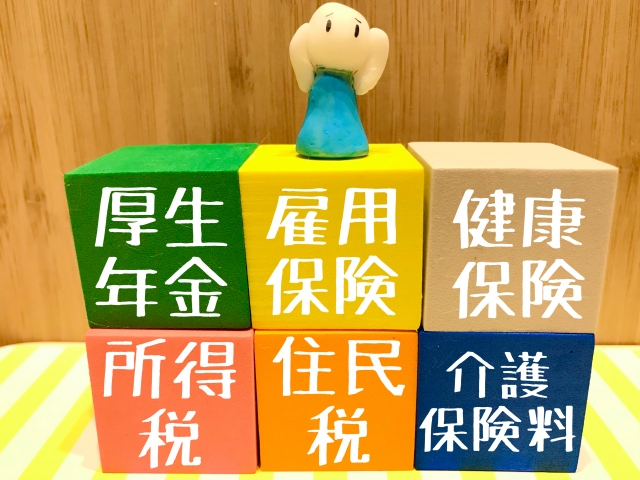
- Introduction: Background of Growing Anxiety in the Foreign Resident Community in Japan
- [Real Case] Residence Period Shortened Despite 10 Years of Residency—What’s Happening?
- [Data Analysis] Actual Situation of Foreign Residents’ Social Insurance Payment Rates and Unpaid Medical Expenses
- [System Explanation] What is the Social Insurance Enrollment Obligation for Foreigners?
- [Government Policy] Specific Details of Stricter Residence Management
- [Administrative Scrivener’s Perspective] Key Points Emphasized in Residence Status Renewal
- [For Companies] What to Do Regarding Residence Status Management of Foreign Employees
- [For Foreign Residents] Specific Measures to Avoid Problems with Residence Status Renewal
- [FAQ] Q&A on Residence Status and Social Insurance Non-Payment
- [Expert Opinion] System Challenges and Future Outlook
- Conclusion: Early Consultation and Measures are the Best Path
Introduction: Background of Growing Anxiety in the Foreign Resident Community in Japan
As of 2026, the number of foreign workers in Japan continues to rise. However, residence status screening has become stricter, with an increasing number of cases where residence periods are shortened or renewal applications are rejected due to unpaid social insurance premiums.
Among the Brazilian community in Japan, numbering approximately 210,000, anxiety is spreading on social media with comments such as “Even permanent residents can’t feel safe” and “Will I be unable to renew with just tens of thousands of yen unpaid?”
In this article, as an administrative scrivener specializing in visa applications and residence status procedures, I will explain the latest situation and specific countermeasures for foreign residents in Japan, as well as for business owners and HR personnel who employ foreigners.
[Real Case] Residence Period Shortened Despite 10 Years of Residency—What’s Happening?
Actual Case at Residence Status Renewal
A self-employed Brazilian man (age 45) of Japanese descent who had been living in Japan for over 10 years received a departure order when renewing his long-term residence visa due to approximately 300,000 yen in unpaid national health insurance premiums. While the renewal was approved after he paid the outstanding amount in full, his residence period was shortened from 3 years to 1 year.
This case demonstrates the following points:
- Long-term residency history does not prevent non-payment from affecting screening
- Renewal is possible if the debt is paid, but there’s a risk of residence period reduction
- Once shortened, it may take time to restore trust
Anxiety Spreading Among Foreign Residents on Social Media
The following voices have emerged on social media:
- “Will I be unable to renew even with just tens of thousands of yen unpaid?”
- “Will I be disadvantaged even if I’ve started installment payments?”
- “Self-employed income is unstable some years. The system doesn’t reflect reality.”
- “What happens to our livelihood if only one family member can’t renew?”
- “Families with children growing up in Japan are most affected.”
[Data Analysis] Actual Situation of Foreign Residents’ Social Insurance Payment Rates and Unpaid Medical Expenses
National Health Insurance and Pension Payment Rates
According to the Ministry of Health, Labour and Welfare survey (2024):
National Health Insurance Premium Payment Rate
- Japanese citizens: 93%
- Foreign residents: 63%
→ 30 percentage point difference
National Pension Payment Rate
- Overall average: 84.5%
- Foreign residents: 49.7%
→ Approximately 35 percentage point difference
This significant gap is the background for the government’s stricter residence status screening.
Increase in Unpaid Medical Expenses
Unpaid medical expenses by foreign patients:
- 2021: Approximately 885 million yen
- 2023: Approximately 1.33 billion yen
→ Approximately 1.5 times increase
This accounts for about 1.5% of total unpaid medical expenses, with the burden on medical institutions expanding as the number of foreign visitors to Japan increases.
[System Explanation] What is the Social Insurance Enrollment Obligation for Foreigners?
Enrollment Required for Stays Exceeding 3 Months
Japan mandates social insurance enrollment for foreigners staying more than 3 months. This applies regardless of residence status type.
Applicable Social Insurance
- National Health Insurance or Health Insurance (for company employees)
- National Pension or Employees’ Pension (for company employees)
Impact of Non-Payment on Residence Status Screening
Traditionally, residence status renewal screening primarily emphasized:
- Consistency with the purpose of stay
- Good conduct
- Ability to support oneself financially
However, in recent years, “payment status of social insurance premiums and taxes” has been clearly added to these criteria.
[Government Policy] Specific Details of Stricter Residence Management
Policies of Former Prime Minister Shigeru Ishiba and Prime Minister Sanae Takaichi
August 2025: Statement by Prime Minister Shigeru Ishiba (at the time)
Announced a policy to restrict residence status renewal for foreigners with unpaid taxes or insurance premiums.
October 2025: Policy of Prime Minister Sanae Takaichi
Emphasized strengthening responses to illegal stays and non-compliance with systems, considering re-entry restrictions for those with unpaid medical expenses.
Review of Permanent Residence and Naturalization Requirements Under Discussion
Currently under discussion:
- Raising income level requirements for permanent residence permits
- Raising Japanese language proficiency requirements
- Extending the required residency period for naturalization
For Brazilians, who account for approximately 117,000 of the 930,000 permanent foreign residents in Japan, the impact is significant.
[Administrative Scrivener’s Perspective] Key Points Emphasized in Residence Status Renewal
“Intent to Pay” is More Important Than “Perfect Payment Record”
From my experience supporting numerous residence status applications as an administrative scrivener, what matters in screening is not just a “perfect payment record.”
Points That Are Evaluated
- Recognition of non-payment and attitude toward improvement
- Whether consultations or actions for installment payments have been taken
- Problem-solving actions such as consulting with specialists
- Specificity of future payment plans
Distinguishing Between Temporary Cash Flow Problems and Malicious Non-Payment
For self-employed individuals and non-regular workers, temporary non-payment due to income reduction can occur. What’s important is:
- Not leaving non-payment unaddressed, consulting with local government
- Taking procedures such as installment payments
- Being able to demonstrate intent and plans for improvement
These facts can work positively during screening.
[For Companies] What to Do Regarding Residence Status Management of Foreign Employees
Risks Companies Face
If a foreign employee’s residence status cannot be renewed:
- Loss of immediate workforce
- Loss of recruitment and training costs (hundreds of thousands to millions of yen)
- Work disruption
- Impact on other employees
- Impact on company credibility
5 Measures Companies Should Take Immediately
1. Thorough Social Insurance Enrollment at Hiring
- Ensure social insurance enrollment at employment contract
- Maintain documentation of enrollment status
2. Hold Briefing Sessions for Foreign Employees
- Easy-to-understand explanations of social insurance systems (multilingual support)
- Awareness of risks from non-payment
- Guidance on payment methods and consultation windows
3. Regular Confirmation of Payment Status
- Interviews approximately once per year
- Check if there are any concerns while respecting privacy
4. Establish Consultation Windows
- Accept consultations in HR department
- Establish cooperation system with specialists such as administrative scriveners
5. Manage Residence Status Renewal Schedule
- Prepare 3-6 months before renewal period
- Advance confirmation of required documents
Social Insurance Enrollment is “Investment,” Not “Cost”
It’s important to view the employer’s share of social insurance premiums not as a “cost” but as an “investment” for retaining excellent human resources and stable employment.
[For Foreign Residents] Specific Measures to Avoid Problems with Residence Status Renewal
3 Points to Check Immediately
1. Check Payment Status
- National health insurance premium payment status
- National pension payment status
- Resident tax payment status
Obtain “tax payment certificates” and “payment certificates” at your local government office.
2. Check Residence Period
- Deadline listed on residence card
- Renewal applications can be made from 3 months before the deadline
3. Actions to Take if There Are Unpaid Amounts
- Never leave it unaddressed
- Consult with the local government office immediately
- Discuss installment payment options
Renewal is Possible Even During Installment Payments
If you have established an installment payment plan and have actually started making payments, explaining this fact at the time of application may work positively in the screening process.
Documents to Prepare
- Records of installment payment consultations
- Receipts of actual payments made
- Future payment plan documents
Timing for Consulting with Specialists
I recommend consulting with specialists such as administrative scriveners early if:
- Unpaid amount exceeds 100,000 yen
- Less than 6 months until residence deadline
- Residence period has been shortened in the past
- There’s potential impact on family members’ residence status
[FAQ] Q&A on Residence Status and Social Insurance Non-Payment
Q1. Will I be unable to renew with just tens of thousands of yen unpaid?
A. Decisions are not made uniformly based on amount alone. The period of non-payment, reasons, and attitude toward improvement are comprehensively evaluated. Even small amounts may be viewed strictly if left unaddressed for long periods.
Q2. Are permanent residents also affected?
A. Yes. Even permanent residents can face cancellation of permanent residence permits if there are serious legal violations or failure to fulfill public obligations. It’s no longer an era where “being a permanent resident means you’re safe.”
Q3. Are company employees safe?
A. If you’re enrolled in Employees’ Pension and Health Insurance through your company with premiums deducted from salary, there’s no problem. However, be careful about unpaid resident taxes.
Q4. Will it affect family members’ residence status?
A. If the head of household is a guarantor for family member dependent visas, the head of household’s non-payment may affect family members’ residence status.
Q5. Is it okay if I pay during the renewal application process?
A. Paying during the screening process is not too late, but it’s preferable to arrange payment status before application. Past payment history is examined during renewal applications.
[Expert Opinion] System Challenges and Future Outlook
“Support” is Needed, Not Just “Deterrence”
Experts point out that “to reduce non-payment, not just renewal restrictions but also systemic supplements such as strengthening installment payment options and multilingual consultation systems are essential.”
Balance Between Dependence on Foreign Labor and Residence Management
Japan’s labor market has reached a stage where it cannot function without foreign workers. Particularly in:
- Manufacturing
- Construction
- Nursing and healthcare
- Agriculture
- Service industries
Foreign workers are indispensable in these sectors.
How to balance stricter residence management with securing human resources—this is a challenge not only for the government but also for companies and specialists like us.
Toward Realizing a Multicultural Society
Rather than viewing foreigners only as “labor,” establishing systems to accept them as members of local communities is required:
- Administrative services in multiple languages
- Easy-to-understand explanations of social insurance systems
- Accessible consultation windows
- Understanding of cultural backgrounds
Conclusion: Early Consultation and Measures are the Best Path
To Foreign Residents in Japan
- Check your residence deadline and payment status immediately
- If you have unpaid amounts, don’t leave them unaddressed—consult with your local government office immediately
- Consult with specialists when in trouble
The thinking that “I’m a permanent resident, so I’m fine” or “It’s a small amount, so there’s no problem” is dangerous. Early action protects your life in Japan and that of your family.
To Business Owners and HR Personnel
- Ensure thorough social insurance enrollment for foreign employees
- Establish regular briefing sessions and consultation systems
- Incorporate residence status renewal schedules into HR management
Retention of excellent foreign talent directly impacts corporate competitiveness. Viewing social insurance premium burdens as “investment” rather than “cost” and creating an environment where employees can work with peace of mind leads to long-term enhancement of corporate value.
Message from Niseko visa and immigration support center
Niseko visa and immigration support center, as administrative scriveners and specialists in residence status applications, our mission is to reduce your anxiety and support your secure life in Japan.
Residence status issues can sometimes lead to irreversible situations if left unaddressed. However, most can be resolved with early action.
Don’t struggle alone—please feel free to consult with us.
Reference Article
《Brazil》Anxiety spreads in Brazilian community in Japan = Stricter residence screening due to social insurance non-payment = “Even permanent residents can’t feel safe”
https://news.yahoo.co.jp/articles/162359e988d11ac476cf3076e538fae9dadda351
Related Keywords
residence status renewal / social insurance non-payment / visa application / foreign employment / Brazilians in Japan / permanent residence permit / national health insurance / national pension / administrative scrivener / residence management / foreign workers / HR personnel / immigration law / residence period reduction / multicultural coexistence